Introduction
When planning to print cards, brochures, catalogues or boxes, you will usually consider two main options:
- Offset Printing
- Digital printing
Both methods can deliver excellent results, but each is suited to different quantities, budgets and turnaround times.
This guide explains the differences between the two processes and when each option is most suitable.
What Is Offset Printing?
Offset printing transfers ink from metal plates to a rubber blanket and then onto paper.
It has been a mainstay of commercial printing for decades because of its high quality and ability to produce large quantities at a low cost per unit.
What Is Digital Printing?
Digital printing sends the artwork directly to the printing press without the need for metal plates.
This makes it well suited to fast jobs and small quantities. It also allows different designs to be printed within the same order with ease.
Key Differences Between Offset and Digital Printing
In general:
Offset Printing
- Excellent colour quality.
- Suitable for large quantities.
- Higher initial setup cost.
- Lower cost per copy as quantity increases.
Digital printing
- Fast turnaround.
- Suitable for small quantities.
- No plates required.
- Suitable for on-demand printing.
When Should You Choose Offset Printing?
Offset printing is usually preferred when you need:
- Thousands of copies.
- Consistent colour quality.
- Large runs of promotional materials.
- Magazines.
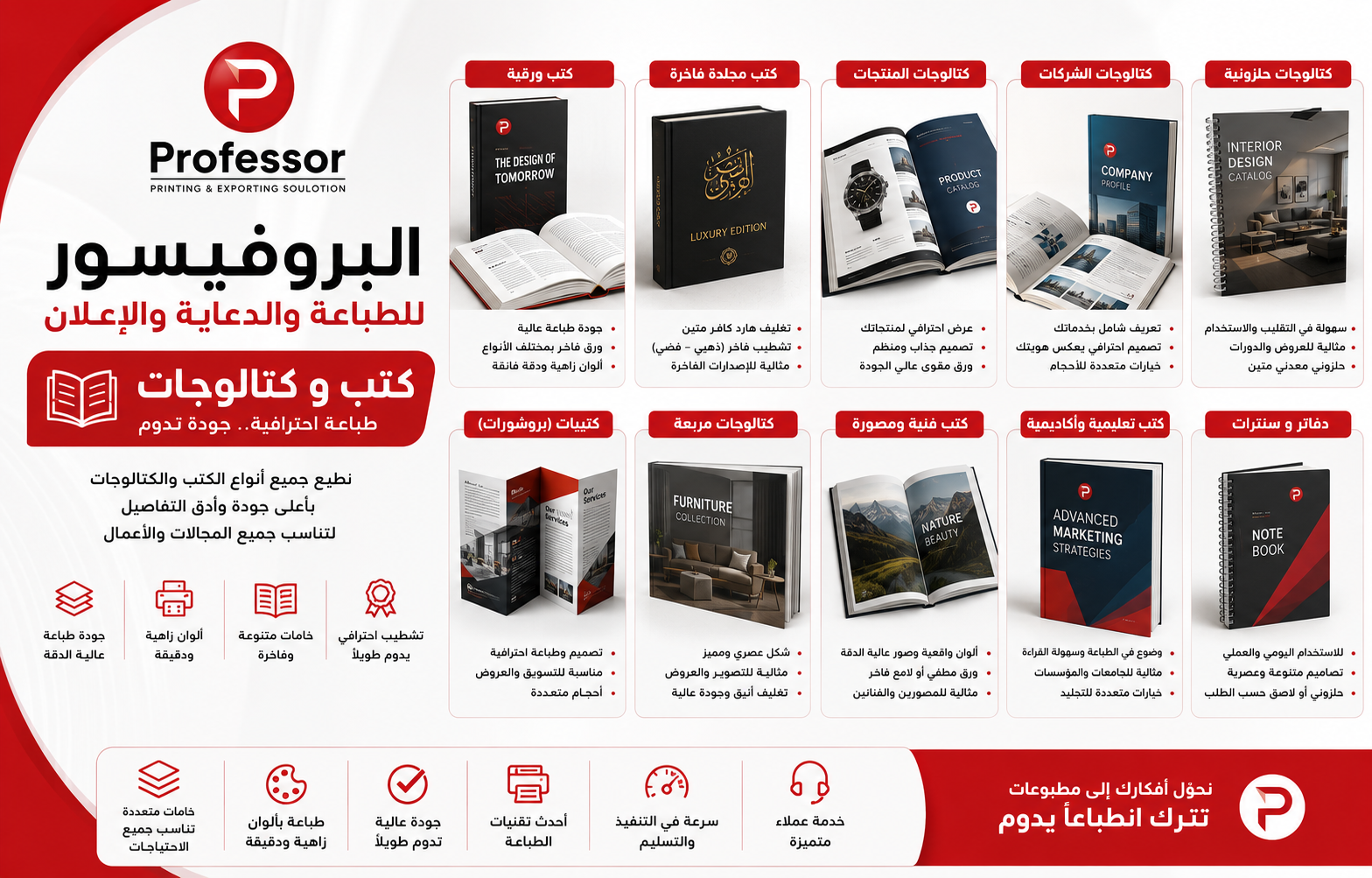
- Catalogues.
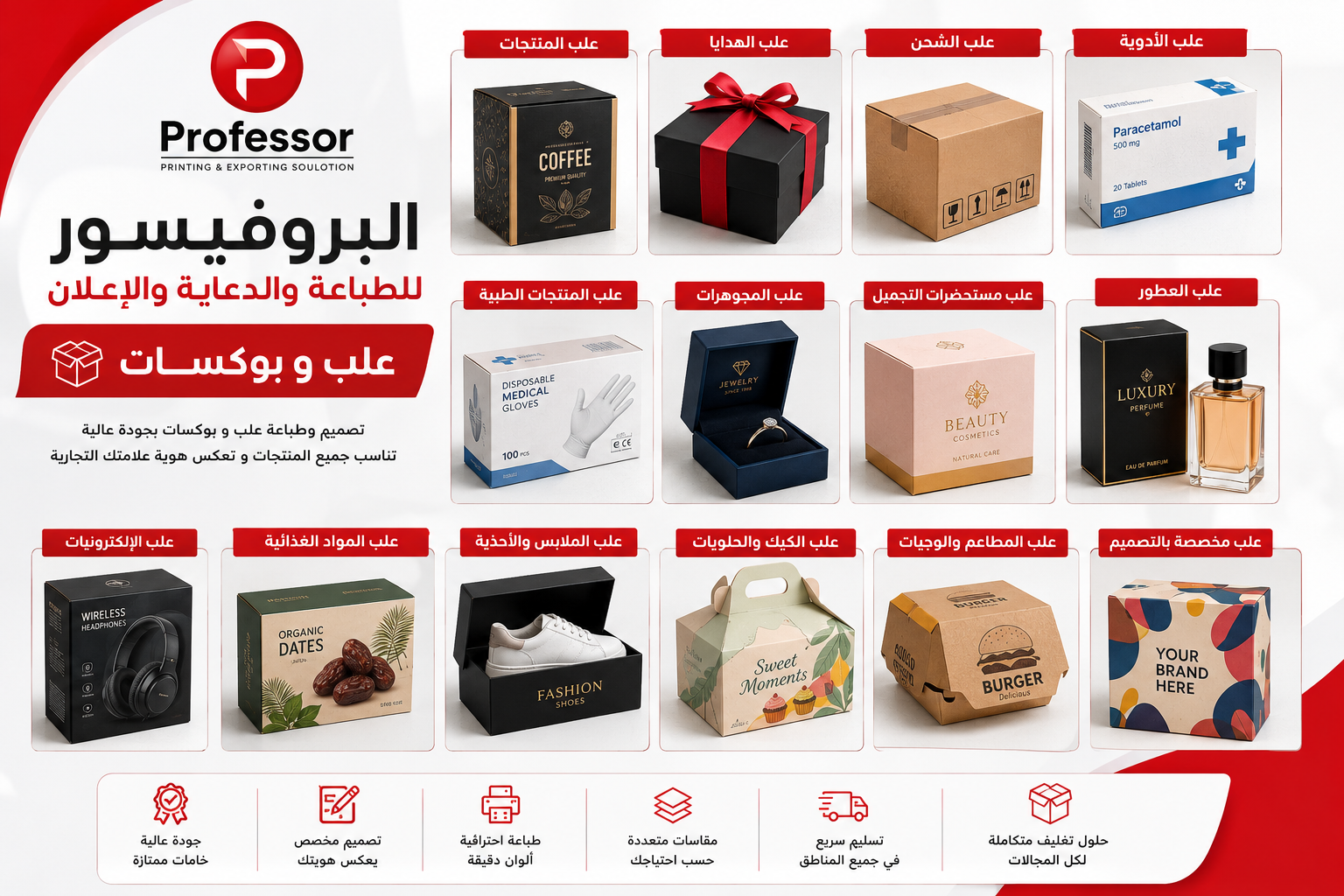
- Packaging boxes.
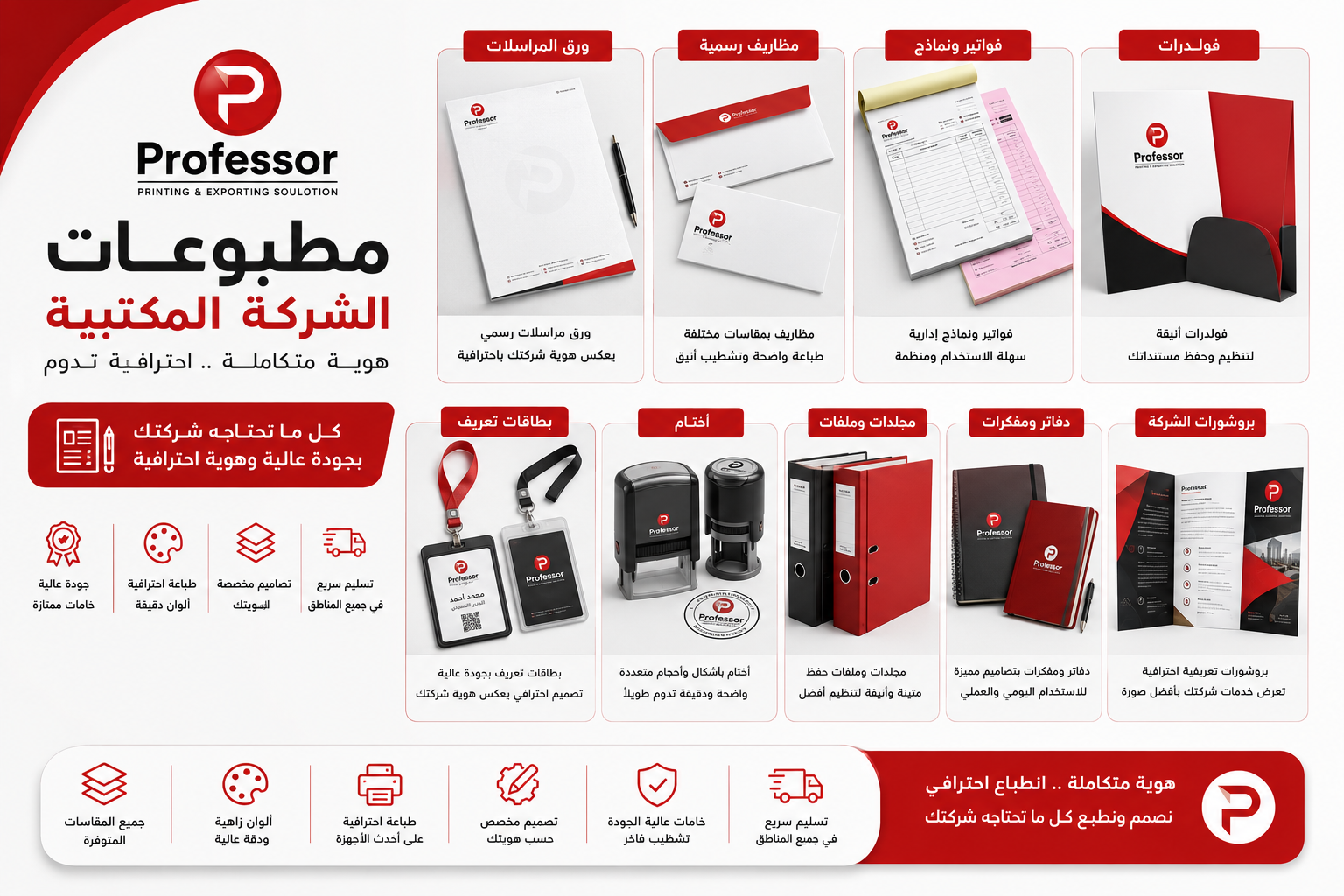
- Invoices and notebooks.
The larger the quantity, the more cost-effective offset printing becomes.
When Should You Choose Digital Printing?
If you need a fast turnaround or a limited quantity, digital printing is often the better choice.
It is commonly used for:
- Business cards.
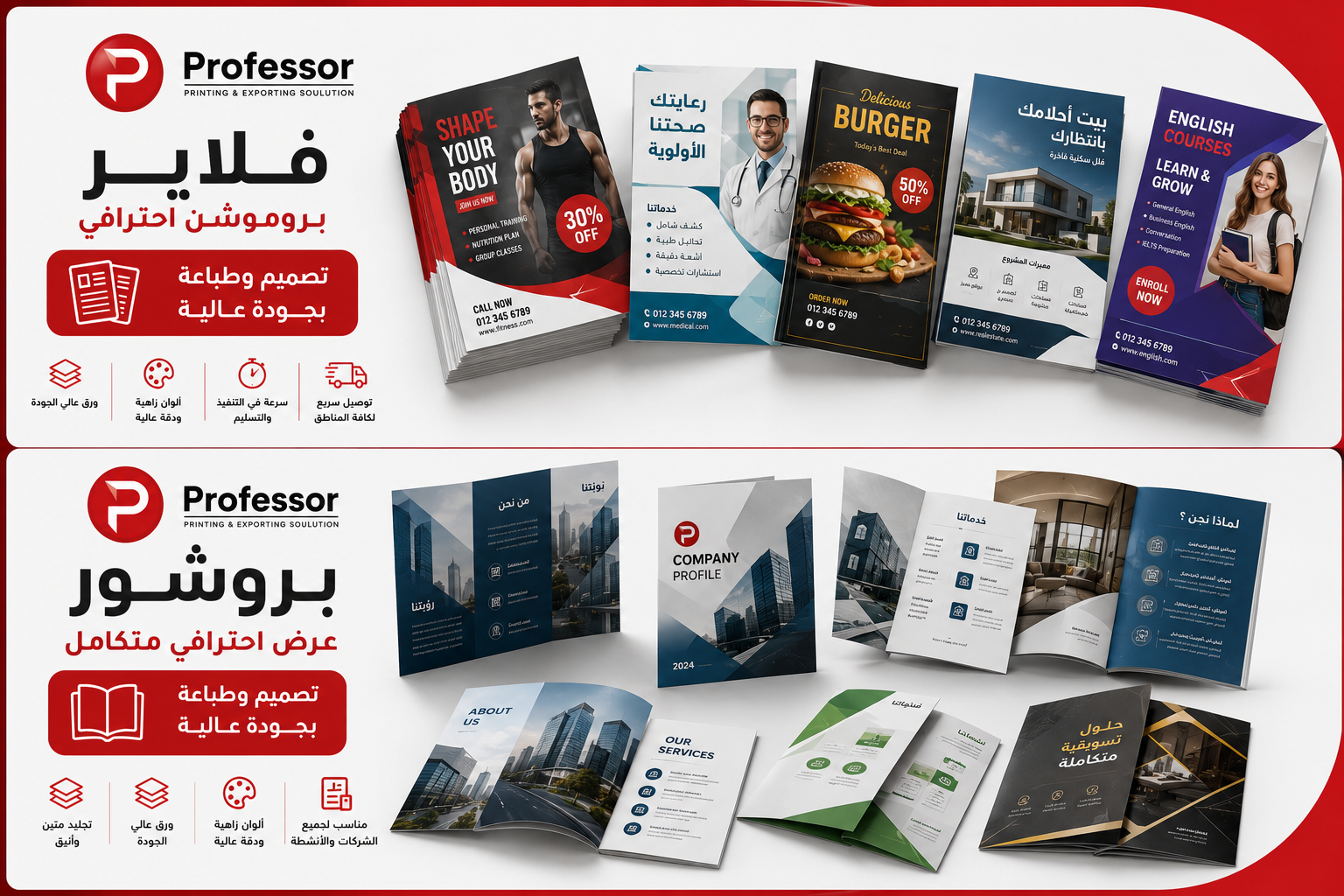
- Brochures.
- Flyers.
- Certificates of appreciation.
- Invitations.
- Proofs and samples.
- On-demand printing.
It is also suitable for businesses that frequently update their designs without incurring additional setup costs.
Cost Comparison: Offset vs Digital Printing
The choice of process depends largely on the number of copies required.
Digital printing
- Low initial cost.
- Suitable for small quantities.
- No printing-plate cost.
Offset Printing
- Requires an initial setup cost.
- The cost per copy decreases as the quantity increases.
- An economical choice for large production runs.
In other words:
For example, digital printing may be more economical for 100 copies, while offset printing will often offer better value for 5,000 copies or more.
Which Process Is Faster?
In terms of how quickly production can start:
Digital printing
- No plate preparation is required.
- Printing can begin within minutes.
- Suitable for urgent orders.
Offset Printing
- Preparation and setup are required before production starts.
- It takes longer to get started.
- However, it is much faster when producing thousands of copies.
Print Quality Comparison
Both methods offer high quality, although there are some differences.
Offset printing
- Greater colour consistency.
- Excellent accuracy across large solid areas.
- Suitable for premium printed materials.
Digital printing
- Also offers excellent quality.
- Suitable for most everyday applications.
- Digital technology has advanced significantly, and in many applications its quality is now very close to offset printing.
Comparing the Suitable Quantities for Each Printing Process
| Number of Copies | Most Suitable Process |
|---|---|
| Fewer than 100 | Digital printing |
| 100–500 | Depends on the product and cost |
| More than 1,000 | Usually offset printing |
| More than 5,000 | Offset printing is usually the most economical option |
These figures are not fixed rules, but they can help you choose the right process for many projects.
Does Paper Type Affect Print Quality?
Yes—significantly.
Even when using an excellent press, choosing unsuitable paper can reduce the quality of the final result.
For example:
- Coated paper produces more vivid, vibrant colours.
- Bristol paper is suitable for cards and thicker printed items.
- Kraft paper gives a natural, environmentally conscious appearance.
- Offset paper is suitable for notebooks and printed items that need to be written on.
Choosing the right paper helps achieve the best result, regardless of the printing process used.
Can the Same Design Be Used for Offset and Digital Printing?
In most cases, yes, but a few points should be checked before sending the artwork to print.
For example:
- Prepare the file in CMYK colour mode.
- Use images with a resolution of at least 300 DPI.
- Convert fonts to outlines or embed them in the file.
- Add margins and bleed where required.
Following these steps makes it possible to use the same design with either process without problems.
Advantages and Disadvantages of Offset Printing
Advantages
- Higher quality consistency for large runs.
- Excellent colour consistency.
- Lower cost per copy in large production runs.
- Suitable for large commercial print jobs.
Disadvantages
- Requires setup time.
- Not economical for small quantities.
- Higher initial cost because printing plates must be prepared.
Advantages and Disadvantages of Digital Printing
Advantages
- Fast turnaround.
- Suitable for small quantities.
- No plates required.
- Can print variable data on each copy.
Disadvantages
- Higher cost per copy for large quantities.
- Some specialty materials may be more limited than with offset printing.
- Colour may vary slightly between print runs in some cases.
Common Mistakes When Choosing a Printing Method
Some of the most common mistakes customers make are:
- Choosing digital printing for very large quantities, which can increase costs.
- Choosing offset printing for very small quantities.
- Ignoring the paper type.
- Sending files that are not print-ready.
- Using RGB instead of CMYK colours.
- Not consulting the print provider before choosing the process.
Consulting the printing team before production helps identify the right process and saves both time and money.
Checklist for Choosing the Right Printing Method
Before starting any print project, ask yourself:
✔ How many copies are required?
✔ Do I need a fast turnaround?
✔ What is the available budget?
✔ Do I need the highest colour accuracy?
✔ Is the design fixed, or does it include variable data?
✔ Which paper type will be used?
✔ Do I need special finishes?
✔ Will this project be printed once or on a regular basis?
Answering these questions makes it easier to choose the right printing process accurately.
There Is No Universally Best Process—Only the Right One for Your Job
Some people believe offset printing is always better, while others see digital printing as the ideal solution.
The reality is that:
- Offset is best for large quantities and consistent commercial quality.
- Digital is best for small quantities and fast orders.
The right choice depends on the nature of the project, not simply on the name of the printing process.
Frequently Asked Questions
Is Digital Printing Lower in Quality Than Offset Printing?
Not necessarily. Modern digital presses deliver very good quality, especially for small and medium-sized quantities.
When Does Offset Printing Become More Economical?
When large quantities are printed, the cost per copy drops significantly.
Can You Print Just One Copy?
Yes. Digital printing can produce a single copy.
Can the Same File Be Used for Both Processes?
Yes, provided the file is correctly prepared for print (CMYK, 300 DPI resolution and bleed where needed).
Which Process Offers Faster Delivery?
Digital printing, because it does not require plate preparation.
Does Colour Quality Differ?
For most applications, the differences are small, but offset printing offers greater consistency across large quantities.
Can Finishes Be Added to Digital Prints?
Yes. Many finishes can be added depending on the product and material.
How Do I Know Which Process Is Right for My Project?
The best approach is to consult the printing team after identifying the quantity, product type and available budget.
Why Choose Professor Print?
At Professor Print, we help you choose the right printing process before production begins, so you can achieve the best quality at the right cost.
We offer:
- Offset printing.
- Digital printing.
- Free advice on choosing the right process.
- Modern printing presses.
- Professional finishing.
- Accurate colour reproduction.
- Fast turnaround and competitive prices.
Choose the Right Process for the Best Result
The success of a printed project depends not only on its design, but also on choosing the right printing process.
If you are unsure which option is best, the Professor Print team is ready to help you choose the right solution, whether you need a small run or a large commercial quantity.
Contact us today for a free consultation before printing begins.