Introduction
A design may be excellent and the printing quality high, yet choosing the wrong paper can significantly reduce the quality of the finished product.
That is why paper is one of the most important elements in any successful print project, whether it is a business card, brochure, catalogue, box or even a paper bag.
This guide introduces the most common types of paper used in printing, the features of each type and their best applications.
Why Is Choosing the Right Paper Important?
Paper affects:
- Colour reproduction.
- The feel of the product.
- Durability.
- Customer experience.
- Printing cost.
- The overall impression of the brand.
Paper should therefore not be chosen on price alone. Consider the product itself and how it will be used.
Coated Paper
Coated paper is one of the most widely used paper types in commercial printing.
Its features include:
- A smooth surface.
- Excellent colour enhancement.
- Suitable for high-quality images.
- Available in gloss or matte finishes.
It is used for:
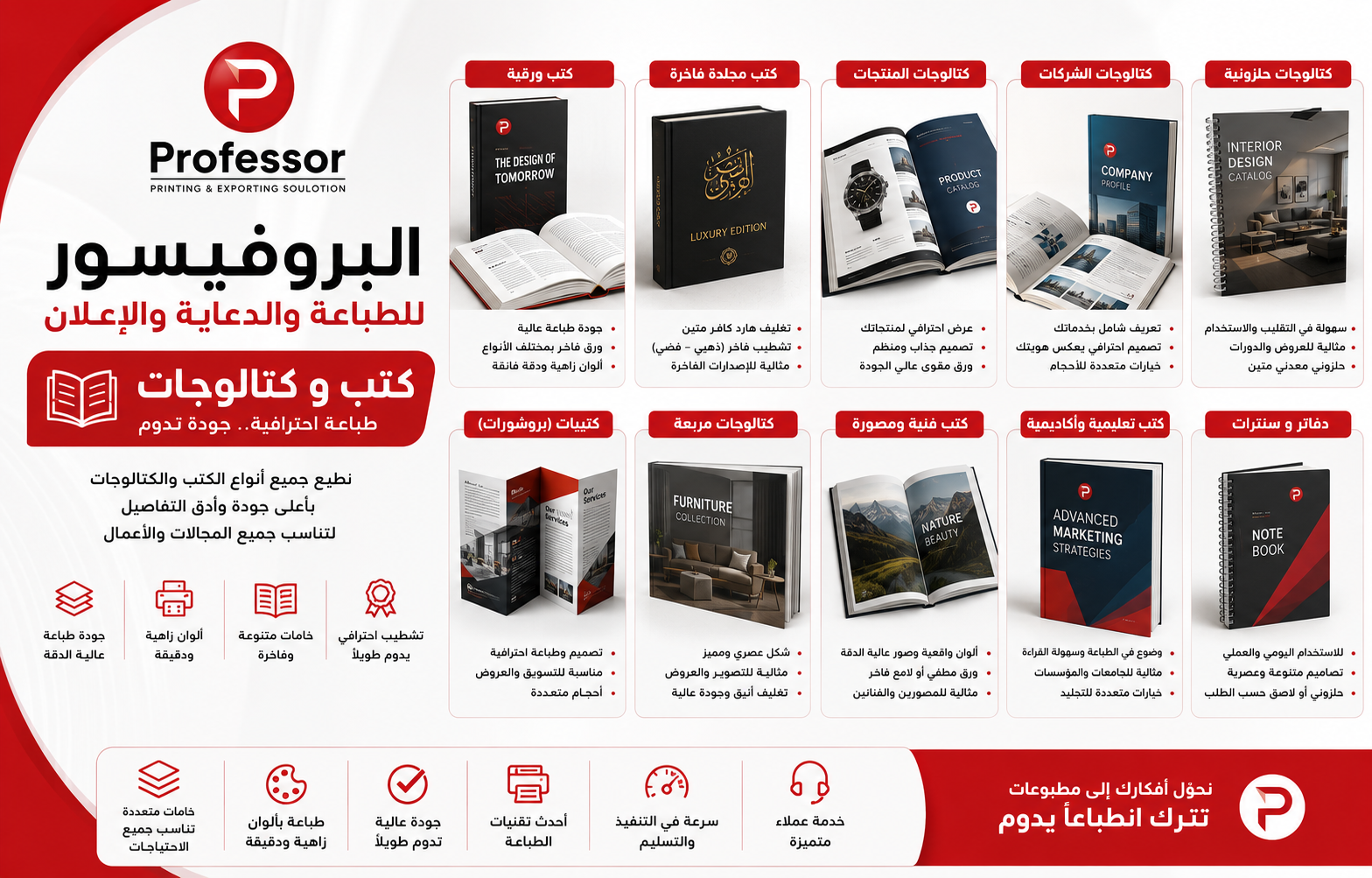
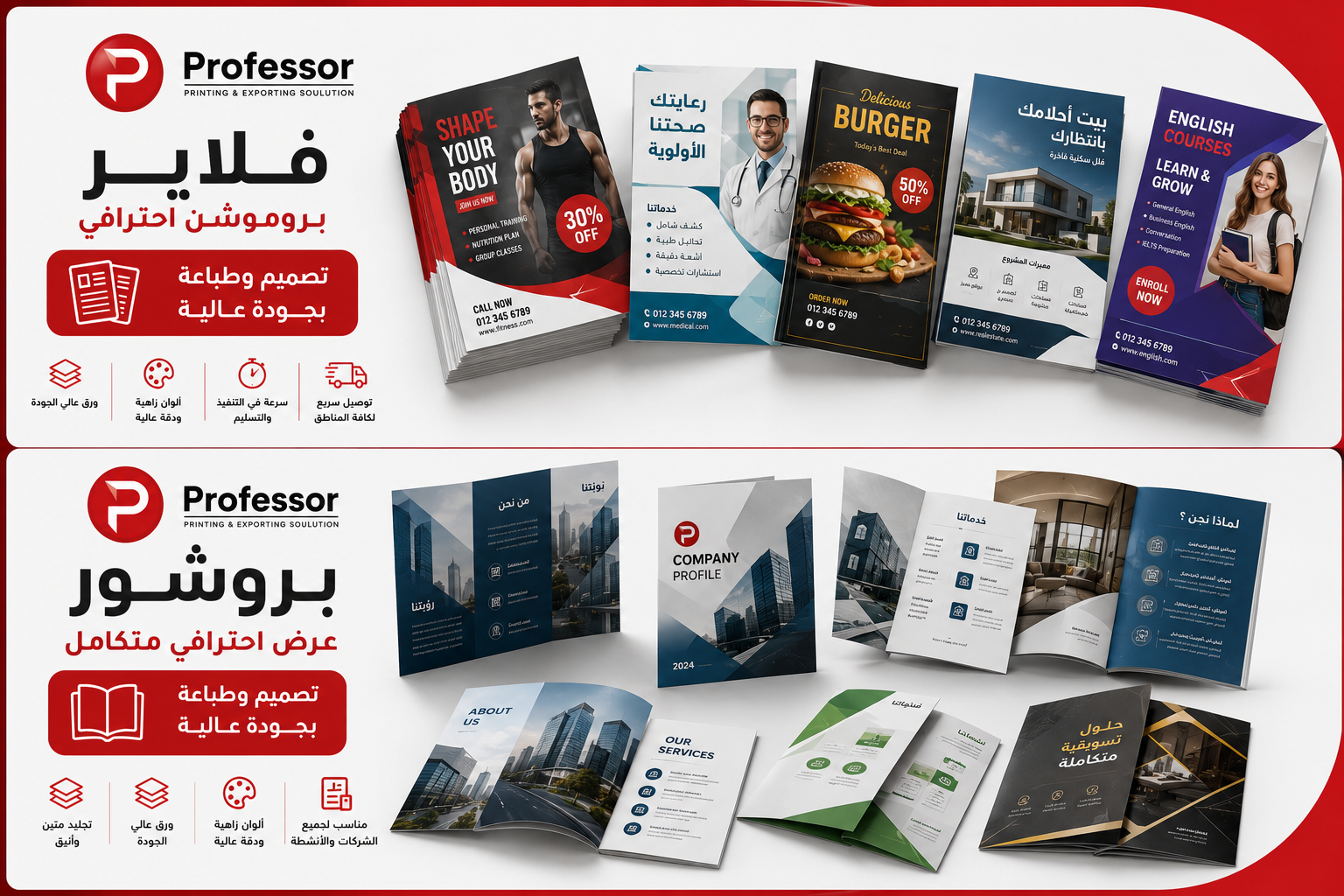
- Brochures.
- Flyers.
- Catalogues.
- Posters.
- Menus.
Bristol Paper
This paper is thicker and more rigid, making it suitable when a product needs greater durability.
Common applications include:
- Business cards.
- Catalogue covers.
- Invitation cards.
- Identification cards.
- Educational cards.
It also supports many premium finishes, such as Spot UV and foil stamping.
Kraft Paper
If you are looking for a natural or environmentally conscious appearance, kraft paper is one of the best options.
Its features include:
- Natural brown colour.
- Strength and durability.
- Recyclability.
- Distinctive appearance.
It is used for:
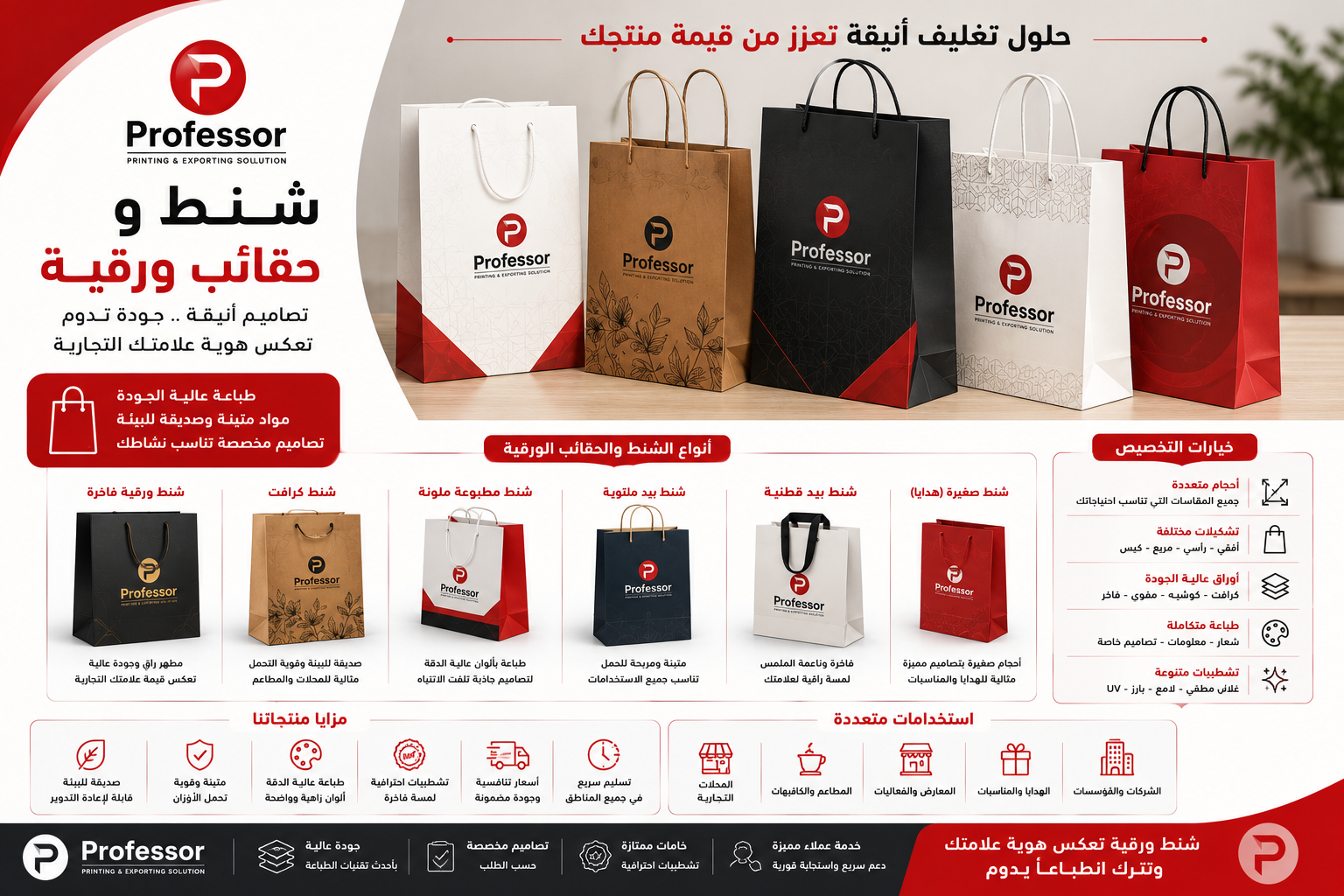
- Paper bags.
- Boxes.
- Packaging.
- Product tags.
- Stickers.
Offset Paper
Despite its name, which may suggest that it is only for offset printing, offset paper can be used with more than one printing process.
Its features include:
- A non-glossy surface.
- Good ink absorption.
- Suitable for writing with a pen.
- Economical compared with some other paper types.
It is used for:
- Notebooks.
- Books.
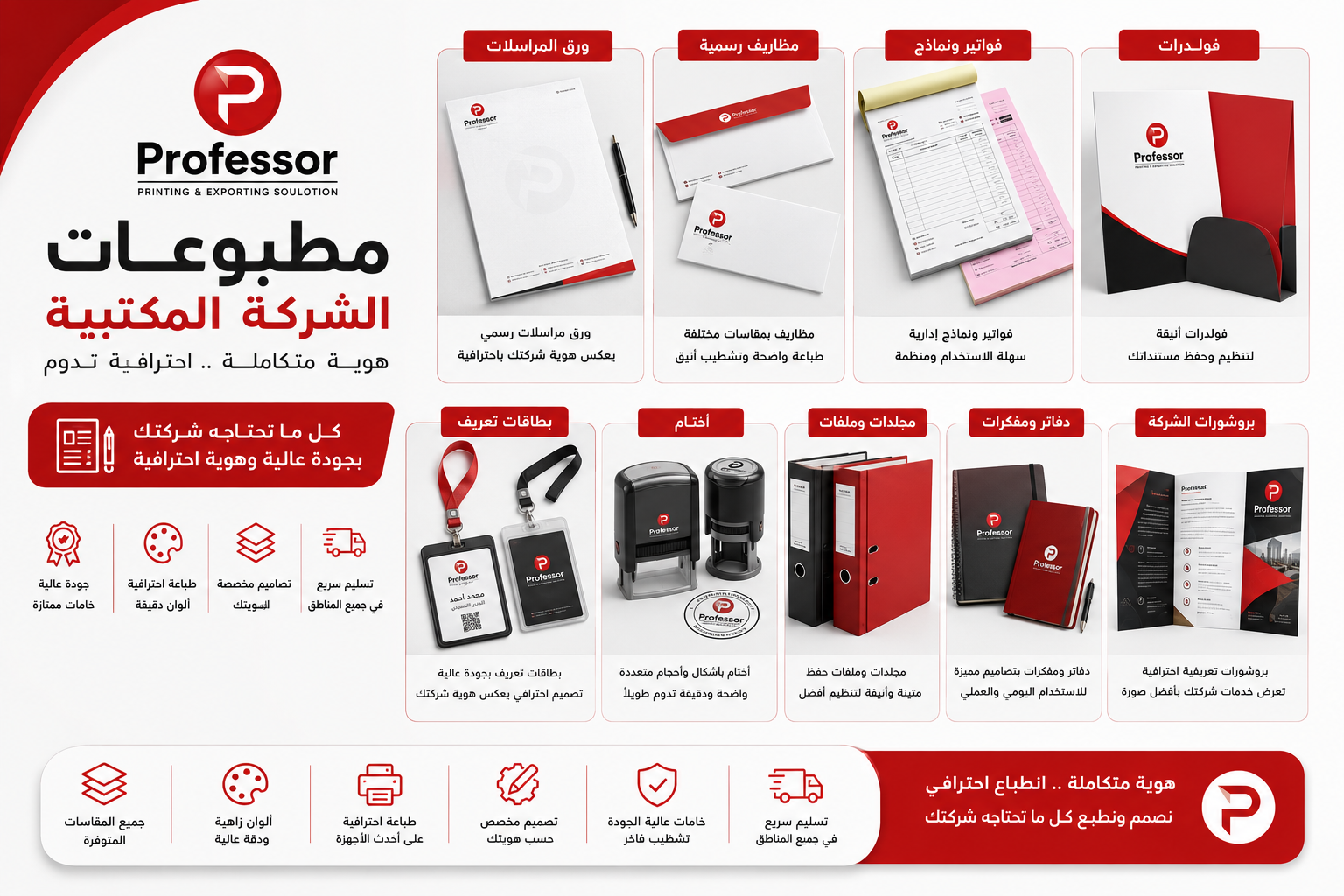
- Forms.
- Invoices.
- Corporate stationery.
- Notebooks.
Cardboard
When a product needs greater rigidity, cardboard is an appropriate solution.
Some of its most common applications are:
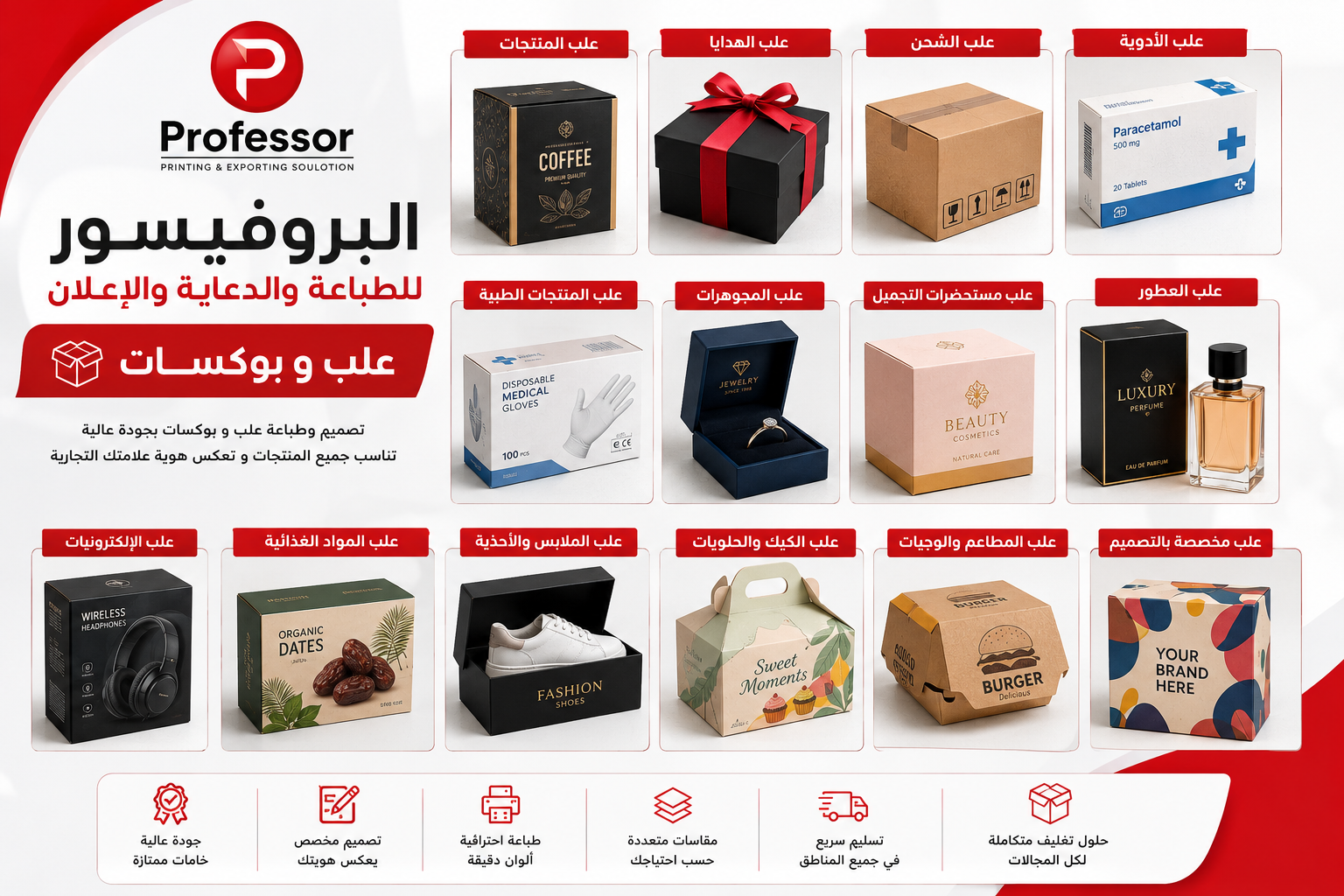
- Product boxes.
- Gift boxes.
- Cosmetics boxes.
- Food packaging.
- Electronics packaging.
Different finishes can be added to achieve a premium appearance.
Sticker Paper
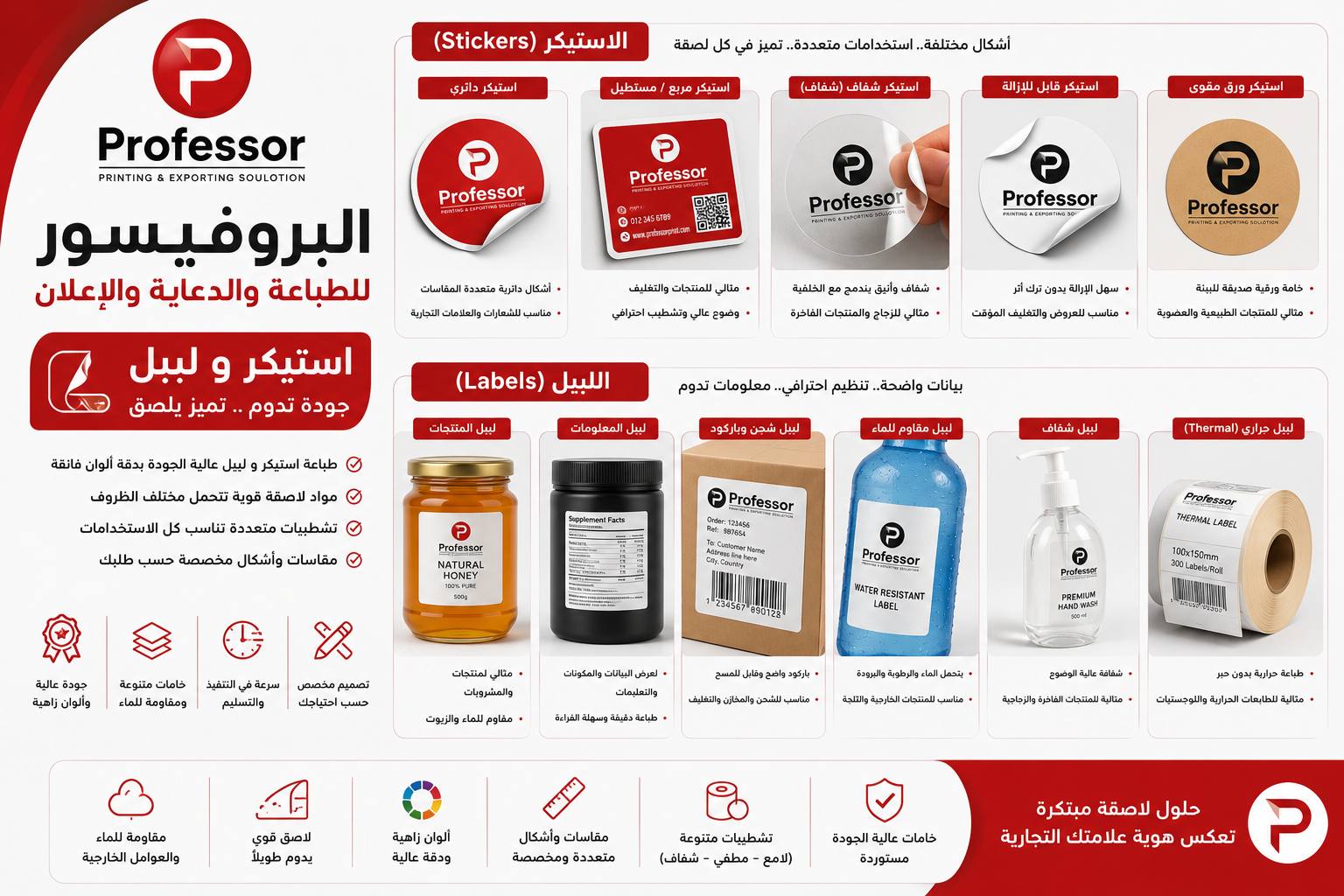
Sticker paper is used to produce many types of stickers and labels.
It is available in several material options, including:
- Standard adhesive paper.
- Water-resistant PVC.
- Transparent.
- Silver or gold.
- Kraft.
It is used for:
- Product stickers.
- Barcodes.
- Container labels.
- Promotional stickers.
What Does Paper Weight (GSM) Mean?
GSM refers to the weight of paper per square metre. It is one of the main factors used to indicate paper thickness and strength.
Common examples:
| Weight | Application |
|---|---|
| 80 GSM | Everyday printing paper |
| 100–150 GSM | Flyers and leaflets |
| 170–250 GSM | Brochures and catalogues |
| 300–350 GSM | Business cards and invitations |
| Over 400 GSM | Boxes and premium packaging |
Choosing the right weight helps balance quality and cost.
What Is the Difference Between Gloss and Matte?
Many people are unsure which finish to choose.
Gloss
- A glossy surface.
- Makes colours stand out.
- Suitable for photographs and advertising.
Matte
- A non-glossy surface.
- A refined, understated appearance.
- Reduces light reflection.
- Suitable for premium brand identities.
The choice depends on the design and the impression you want to leave with the customer.
How Do You Choose the Right Paper for Each Product?
There is no single paper type that suits every printed item; each product has different requirements.
The following guidelines can help:
| Product | Recommended Paper |
|---|---|
| Business card | 300–350 gsm Bristol |
| Flyer | 130–170 gsm coated paper |
| Brochure | 150–200 gsm coated paper |
| Catalogue | 150–200 gsm coated paper with a Bristol cover |
| Menu | Coated paper with lamination |
| Bags | Kraft or art paper |
| Boxes | Cardboard |
| Sticker | Sticker paper or PVC |
Choosing the right paper helps achieve the best balance of quality, durability and cost.
Does Paper Affect Colour Quality?
Yes.
Paper type has a direct effect on:
- Colour saturation.
- Image clarity.
- Detail sharpness.
- Light reflection.
- Ink stability.
For example, colours appear more vibrant on glossy coated paper than on uncoated offset paper.
Common Mistakes When Choosing Paper
Many customers make mistakes that affect the finished product, such as:
- Choosing a light paper weight for a product that needs durability.
- Using matte paper for a design that relies on glossy imagery.
- Choosing an economy stock for a premium product.
- Ignoring the intended use, such as using non-moisture-resistant paper for menus.
- Choosing on price alone without considering quality.
Consulting the print provider before production helps avoid these mistakes.
Is More Expensive Paper Always Better?
Not necessarily.
The goal is not to buy the most expensive paper, but to choose a paper that offers the best balance of:
- Quality.
- Cost.
- The nature of the product.
- Customer experience.
Offset paper may be ideal for some projects, while coated or kraft paper may be better for others.
How Can the Right Paper Help Reduce Costs?
Choosing the right material from the start helps prevent:
- Reprints.
- Product damage.
- Customer complaints.
- Higher production costs.
It also helps you get the best value from your available budget without compromising the finished product.
Checklist for Choosing the Right Paper
Before sending a project to print, review the following points:
✔ Is the paper type suitable for the product?
✔ Is the paper weight suitable for the intended use?
✔ Is the paper suitable for the printing method?
✔ Is the finish compatible with the material?
✔ Will the colours appear as intended?
✔ Does the item need to be written on?
✔ Does the paper need to be moisture-resistant?
✔ Does the paper type fit the budget?
✔ Has a sample been requested before full production?
✔ Does the paper reflect the brand image?
These steps help you choose the right material and avoid reprints or unnecessary costs.
The Right Paper Makes a Difference Customers Can Feel
A customer may not know the name of the paper used, but they can feel the difference as soon as they touch the product.
The right paper provides:
- A stronger sense of quality.
- Clearer colours.
- Better durability.
- A more professional user experience.
That is why leading companies give paper selection as much attention as they give design.
Frequently Asked Questions
What Is the Most Commonly Used Paper for Printing?
Coated paper is among the most commonly used stocks for commercial print items such as flyers, brochures and catalogues.
What Is the Best Paper for Business Cards?
Bristol paper weighing 300–350 gsm is commonly used because it is rigid and supports a range of finishes.
Does Paper Weight Affect Quality?
Yes. Paper weight affects durability and the feel of the finished item, but it should be selected for the intended use rather than simply choosing the heaviest option.
Can You Write on All Types of Paper?
No. Coated paper such as couche is not as suitable for writing with a pen as offset paper.
Is Kraft Paper Suitable for All Products?
Kraft paper is well suited to packaging, bags and products that call for a natural or environmentally conscious appearance.
Does Paper Type Affect Printing Cost?
Certainly. Differences in material and weight have a direct effect on production cost.
How Do I Know Which Paper Is Right for My Project?
It depends on the product, printing method, budget and final use. It is therefore best to consult the print provider before production.
Can the Same Design Be Used on Different Paper Types?
Yes, although colour appearance and the final texture may vary depending on the selected paper.
Why Choose Professor Print?
At Professor Print, we help customers choose the right paper for each project to achieve the best quality at the right cost.
We provide:
- A wide selection of paper stocks.
- A range of weights for different applications.
- Free advice before printing.
- Modern printing technologies.
- Professional finishing.
- Fast turnaround and competitive prices.
Choosing the Right Paper Is the Start of Professional Printing
Good design and careful printing are not complete without the right paper choice.
If you want printed materials that reflect your brand’s professionalism, the Professor Print team can help you choose the stock that best suits your product and budget.
Contact us today and let our printing specialists help you choose the ideal paper for your project.